

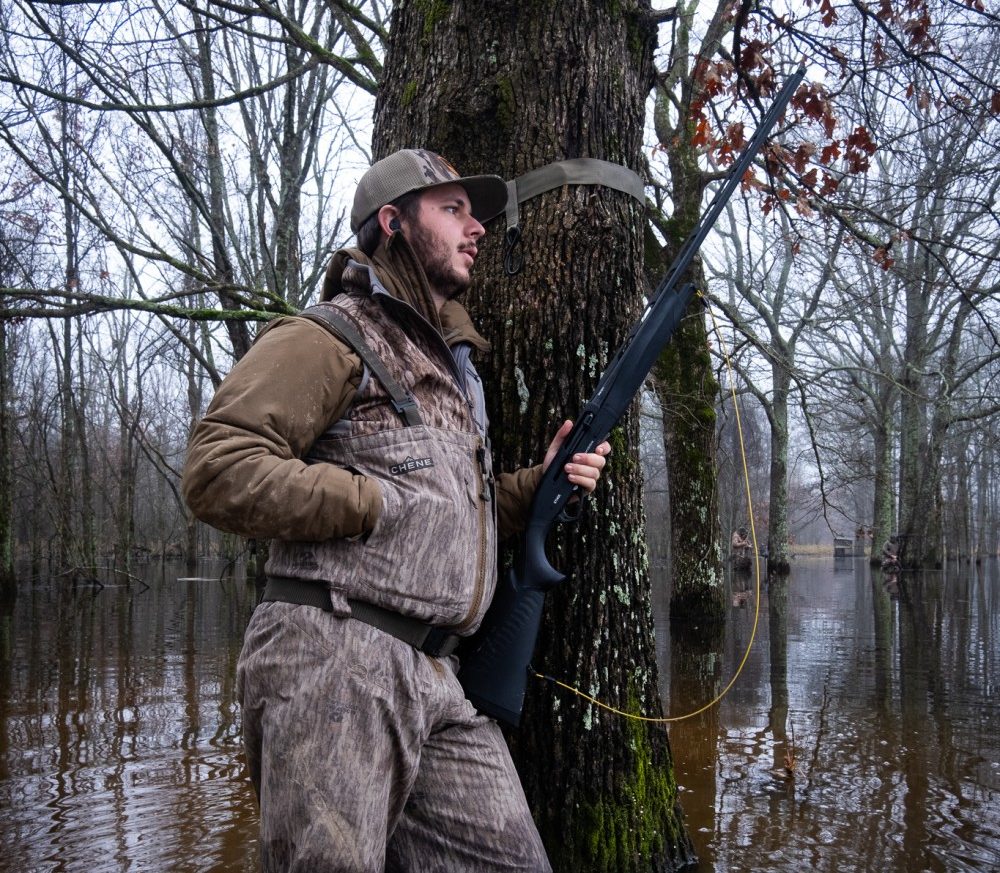

Duck hunting across the lower 48 has its ups and downs. The four major flyways dictate waterfowl migrations across the states. With that, some areas see more birds than others and have better habitat to support ducks. While every state offers waterfowl hunting opportunities, some are better than others. Based on regulations, habitat, access, and the number of birds, we’ve put together a list of the worst states to chase ducks. These are the five hardest states to duck hunt in the lower 48.
Arizona

Positioned in the Southwest United States, Arizona sits in the middle of a desert. Its hot and dry climate means there is little water and habitat available for migrating waterfowl. For those willing to stick it out, common areas include the Colorado River and some larger reservoirs, but access can be a limiting factor. Look for fronts up North as the season progresses that will push fresh birds down. Jump shooting cattle ponds can also be productive, but if they are not on public land, then you are out of luck.
New Mexico

Like Arizona, New Mexico also suffers from an overall arid climate. That said, hunters can still expect to shoot some ducks. The state is nearly 50% public land, so if you find water, chances are you’ll find ducks. Expect to shoot a mix of puddlers and divers, depending on the water you set up on. New Mexico does have a low amount of hunters at roughly 3,000 a year, so competition is fairly low. Put in the work, watch the weather, and you may be rewarded. It’s also worth noting that New Mexico is divided among the Pacific and Central Flyways, so be sure you know what flyway you are in before hunting.
California

Annually, California hunters harvest nearly a million ducks. So why does it make the list as a hard place to hunt? This boils down to access and competition. California has roughly 50,000 hunters every year. As a result, competition for prime areas can be fierce. Add to that the limited amount of public access, and it can be a tough place to hunt. California does have some legendary refuges where hunters can draw a blind, but even then, hunters deal with regulations like shell count. If you have access to private land like rice fields, your outlook on California will be a lot better.
West Virginia

West Virginia falls near the bottom of the states for waterfowl hunting. It’s positioned between the Mississippi Flyway and the Atlantic Flyway, resulting in weak migrations. On top of that, the state’s topography of rolling hills and mountains is not great duck habitat. This is reflected by its low annual harvest numbers and even lower number of hunters. Just 1,400 duck hunters are registered each year, a mere fraction of the overall hunting licenses sold. If you do hunt in West Virginia, aim your sights west along the Ohio River. This is your best bet to consistently find birds.
Rhode Island

Rhode Island is the smallest state and has some of the fewest waterfowl hunters. The state has little public land and little salt marsh habitat. As a result, the majority of duck hunting takes place at sea, targeting scoters and eiders. While there are plenty of sea ducks around, it’s a gear-intensive pursuit. With few other options, it’s either you invest in layout boats and long lines of decoys, or you hunt with a guide. For that, Rhode Island lands itself on the list of the hardest states to duck hunt in.