

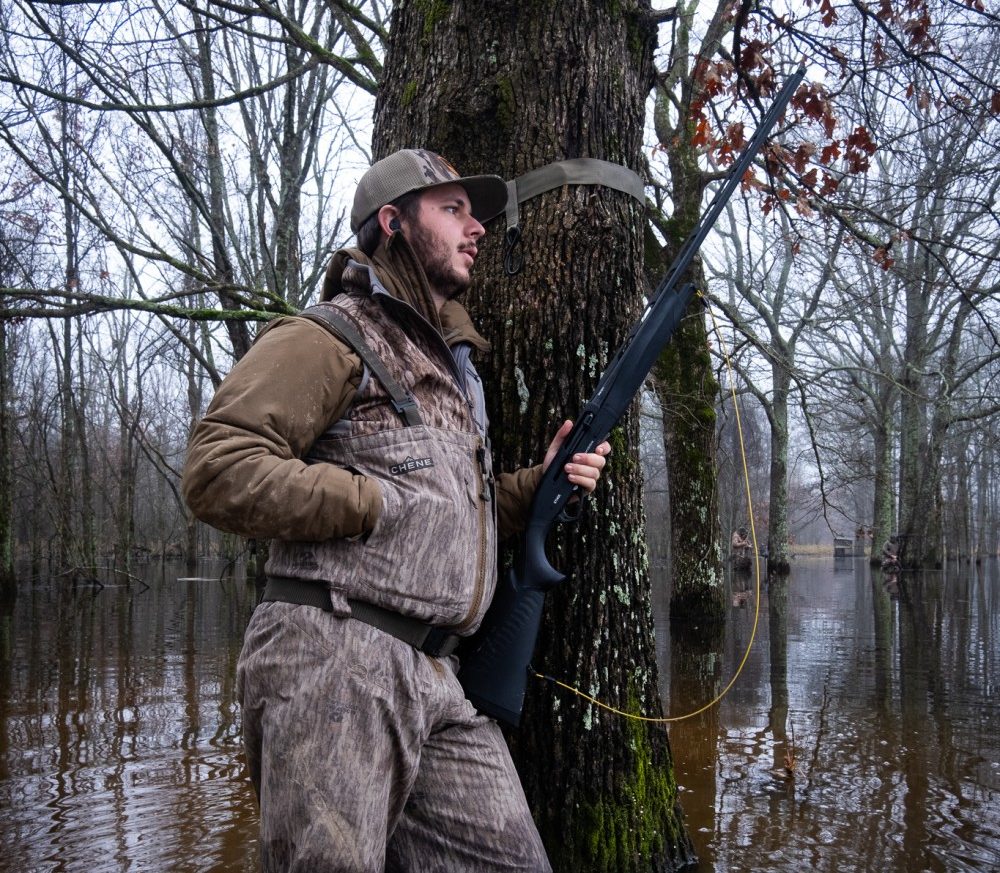

In many parts of the country, turkey season is underway or just about to be. For hunters, this means chasing wary gobblers on public land. As the sun crests the horizon and birds gobble on the roost, the sights and sounds of spring hunting begin. Fooling a tom on pressured public land is no easy task. It can be some of the most frustrating and rewarding hunting opportunities. Yet, every year, more hunters get shot turkey hunting than any other type of hunting. With that in mind, these are the do’s and don’ts of public land turkey hunting.
The Do’s

Be Respectful of Other Hunters
First and foremost, public land is public. This means anyone with a hunting license has the right to hunt it. With that can come crowds and competition, furthering the need to respect other hunters. While this is true for all types of hunting, turkey hunting is especially important. Chasing gobbles through the woods can leave you interfering with other hunters if you’re not careful. The best thing you can do is be aware of other hunters in the area—other trucks in the lot and boot prints are good indicators. If you know another hunter is in an area, opt to keep going to avoid working the same bird and interfering with each other’s hunt.
Bring Flagging Tape
Turkeys have incredible vision, and with that, camouflage is a must. It conceals you from birds but also can conceal you from other hunters. If you do harvest a bird, walking out on public land with a gobbler flapping on your back can be dangerous. The best solution we’ve found is to carry blaze orange flagging tape. When you harvest a bird, wrap it in the tape to clearly mark that the bird is dead and is visible to other hunters. Even if you don’t harvest a bird, it never hurts to add orange to your person when walking out of the woods.
Put in The Time Scouting
Public land is, by nature, competitive. If you show up on opening day expecting to walk out and shoot a bird, your chances are slim. To maximize your odds of success and avoid other hunters, scout before the season starts. This can help you identify areas birds regularly use and can even help roost birds prior to the season opening. It’s also important to remember that birds found off the road or near access areas have a good chance of being found by other hunters. It’s best to get off the beaten path, take some extra time, and find harder-to-reach birds to improve your odds.
Be Sure of Your Shot
Every year, turkey hunters are shot due to hunter negligence. In fact, 25% of all hunting-related shooting accidents occur turkey hunting. This means it is crucial to identify your target and beyond before taking a shot. Turkey hunters often use decoys, so just because you see a “turkey” doesn’t mean it is one. Make sure the gobbler you are hunting is a real bird and your shot and beyond are clear.
The Don’ts

Don’t Overcall
Public land toms have seen it all. This means they’re well-conditioned to calls and know how to avoid hunters. The best tactic to finish these birds is not to overcall. If you hear a bird gobble, you are off to a great start. Slip into the area, let the bird know you’re there with a call or two, then stop. Oftentimes, this is all you need to call in a bird, rather than overcalling them and alerting them of your presence. If you don’t hear a gobble bounce between ridges, let out hen calls and wait for a response. When a turkey answers, repeat the call process above and wait for the bird to show itself.
Don’t Use a Gobble Call
Gobble calls can be an effective tool to trigger other toms, but not on public land. Every hunter out there is eagerly listening for a gobble, and if they hear yours, you’ll attract hunters rather than birds. Instead, stick to the basics like a mouth call, pot call, and box call. These three essential calls can cover all your bases and work great as a full system.
Be Careful With Decoys
Decoys can be a valuable tool, drawing in toms looking for a fight. The display of a long beard beating up a decoy gets the adrenaline pumping and is something all hunters should witness. On public land, you can use decoys, but be careful of their placement and where you set up them in relation to the decoy. Pick locations that minimize the odds of another hunting shooting your decoy.
Don’t Use a Reaping Fan
Reaping fans, a technique in which a turkey fan is used to draw in birds and hide behind, is dangerous on public land. While it may lure in toms, it also makes you look like a turkey. To the inexperienced or reckless hunter, this can seem like an easy opportunity. No turkey is worth your life or serious injury, so avoid using a reaping fan on public land.

Public land turkey hunting is challenging but equally rewarding. Some of my fondest turkey hunting memories come from hard-earned birds and the grind of public land. If you’re looking to shoot your own bird this season, these do’s and don’ts of public land turkey hunting will leave you prepared for the season ahead.