

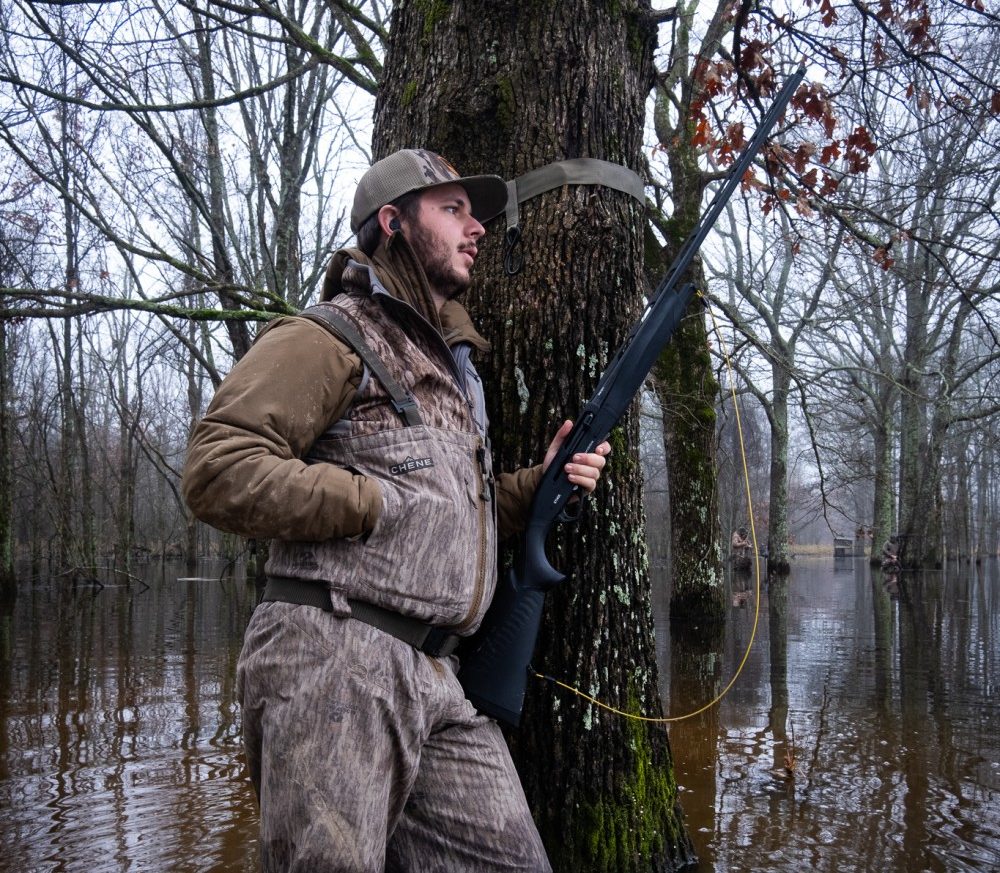

In waterfowl conservation, the two names that come to mind are Ducks Unlimited and Delta Waterfowl. These historic organizations play a pivotal part in waterfowl and wetland conservation. Yet, among these giants exist new and engaging conservation efforts. One such organization is 50 Ducks—a newcomer in this space. With a modern take on conservation, the founder, Greer Smith, has set out to create an engaging platform to track waterfowl migrations through GPS devices, educate the next generation, and protect waterfowl and wetlands. Follow along as we dive into the story of Greer Smith, his path to conservation, and the incredible work 50 Ducks is leading.
Greer Smith: Corporate Turned Conservation
Greer Smith is the founder of 50 Ducks, a platform using GPS devices to track waterfowl migration in real-time. As a child, hunting was a core part of his youth. He grew up hunting alongside his father, grandfather, and uncles. In fact, one of his earliest childhood memories was serving as the “retriever” for his dad in a dove field. Since a young age, the outdoors was ingrained in Greer Smith and continues to be to this day.

Prior to launching 50 Ducks, Smith worked in the corporate world, specifically in energy efficiency and data analytics. Here, he helped conduct energy efficiency audits and developed a system to reduce electrical costs for large buildings. You may be thinking this is as far from the waterfowl world as it gets, and Smith thought the same. “Like a lot of people, I wanted out of the corporate world and to do something that I was really passionate about,” said Greer Smith. In 2023, Greer made the jump and dove headfirst into conservation, creating 50 Ducks, a refreshing and engaging conservation organization.

What is 50 Ducks
When creating 50 Ducks, Greer Smith had one goal in mind: to make waterfowl movement accessible, engaging, and educational, whether you’re a hunter, conservationist, or anyone fascinated by these incredible birds. As hunters, we are always infatuated by crazy band stories like a Japanese pintail showing up in California or a Russian Snow Goose making its way to the PNW. Historically, band information has been limited to the public. The only real way to learn the history of a banded bird was to shoot one yourself, that is, until 50 Ducks.
Greer focuses on one specific type of banding: GPS tracking. You’ve probably seen photos or maybe even harvested a bird with a backpack on it. These tiny devices are live GPS trackers that ping locations to receivers, creating detailed migration maps. GPS tracking is not a new technology, but the way we now engage with the data is. Prior to 50 Ducks, this data was, for the most part, reserved for biologists working on migration studies.

In working with government agencies and conservation organizations, 50 Ducks created a way for users to interact with live data in the form of migration maps. The information can be accessed through the 50 Ducks website or their app, enabling easy access to this incredible information. In addition, these maps are updated as live tracking data comes in, ensuring accurate and live data points across the various species and birds fitted with GPS trackers.
Inspiring a New Generation:
Waterfowlers are fascinated by migration data, but we are not alone. A core part of 50 Ducks is inspiring the next generation of youth through its live migration maps. In speaking with Greer, his passion for inspiring others immediately became apparent. Any school or classroom can access 50 Ducks maps and even name a bird to follow along with. “We hope to foster students’ interest and passion by introducing our platform into 5,000 Classrooms by 2030. Creating lifelong waterfowl enthusiasts is an important step toward conserving, preserving, and enhancing waterfowl and their wetland habitat,” said Greer.

As hunter retention numbers continue to fall, the number of youth involved follows. With waterfowl hunting being gear-intensive and hard to get into without a mentor, programs like 50 Ducks are essential. The in-the-classroom program seeks to inspire the next generation of biologists, conservationists, and waterfowlers.
Ongoing Conservation Work:
In addition to its classroom programs, 50 Ducks is just getting started. They are currently working on a five-year project at the Jack Miner Migratory Bird Sanctuary, one of the most important names in waterfowl conservation history, to integrate GPS tracking into their program. The goal is to modernize how we understand bird movement while continuing Jack Miner’s legacy of hands-on conservation.

On a personal level, Greer’s connection to Jack Miner goes back much further. At just eight years old, he was on a hunt in Macon, Georgia, with his father and some of the men he grew up around when they shot a Jack Miner-banded mallard. Smith said, “At the time, I didn’t fully grasp the significance, but looking back, that moment was one of my earliest introductions to the legacy of banding and waterfowl conservation.” Now, 20+ years later, 50 Ducks is working alongside Matt and Joe at Jack Miner, combining historic banding methods with modern GPS telemetry, creating a unique bridge between past and present conservation efforts.
50 Ducks is also partnering with Tierra de Aves in Mexico to help build banding stations across the country. Mexican ducks are American ducks—just like Canadian ducks. Their movements cross borders, and understanding their full migration patterns means investing in research across the continent.
These efforts are only the beginning of 50 Ducks’ long-term mission to create a meaningful tool to support fieldwork, drive public engagement, and help tell the full story of waterfowl migration.
A Bright Future
Greer Smith’s ambition and passion for waterfowl hunting coalesced into one of the most meaningful and impactful conservation stories in recent times. The story of 50 Ducks is much deeper than an app to track migrating birds. Rather, it is a tool to demonstrate to hunters, students, and birders the story of waterfowl.
Hunters make up a small percentage of the population yet contribute a disproportionately large share of the funding that supports land protection and habitat restoration. Building bridges with non-hunters is crucial to ensure the future of waterfowl populations. 50 Ducks helps expose non-hunters to the positive impacts hunters have had on waterfowl and wetland conservation. If we want future generations to experience waterfowl, organizations like 50 Ducks are pivotal in educating, protecting, and preserving what we have today.