

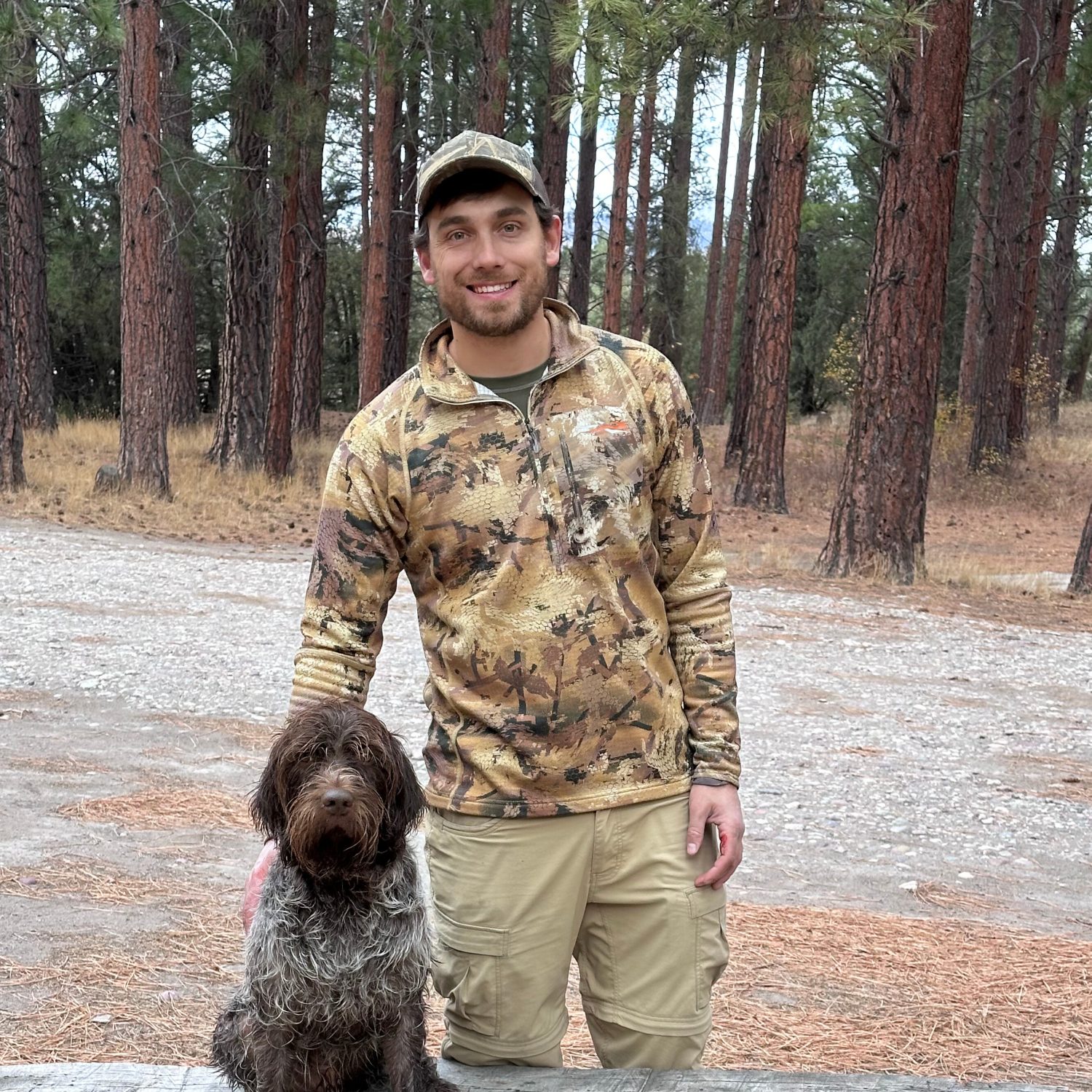

Big changes are underway for waterfowl hunting in North America this year. Most notably, hunters across the country will have their pintail limits bumped from one bird to three. But that’s hardly the only regulation change. Here are some of the other noteworthy regulation adjustments to be aware of. Keep in mind this is far from a comprehensive list; it’s your responsibility to make sure you’re up to do with all your local regulations.
North Dakota Restricts Nonresident Hunters

North Dakota is a hotspot for out-of-state DIY hunters interested in hunting the Central Flyway’s famed Prairie Potholes—so much so that the state is moving to further regulate nonresident hunters. The biggest change that applies to the 2025 season is that nonresidents will have to select one of six waterfowl hunt zones and will not have access to the rest of the state. Additionally, a new state law requires folks hunting in North Dakota to buy a waterfowl habitat restoration stamp for $5.
Early Teal Hunts Limited

This year, states in the Central, Mississippi, and Atlantic Flyways will all have to cut their early-season teal seasons from 16 to 9 days. The change is prompted by 2024 U.S. Fish and Wildlife Service estimates, which show that bluewing populations had declined 12 percent since 2023 to 4.7 million, which automatically triggered the shortened season. If numbers were to fall below 3.3 million, the seasons could be closed entirely.
Pintail Bag Limit Bump

Hunters are celebrating a new harvest strategy that recommends a three-pintail daily bag limit in all three flyways for 2025-26. The regulation was long fought for by California Waterfowl and was implemented after researchers showed that breeding habitat conditions play a significantly larger role in limiting the pintail population compared to hunter harvest. The three-bird limit will apply for three seasons before being reevaluated. If you’ve ever wanted to try to kill three bull springs in one day, now’s the time.
Washington Issues 52 Harlequin Permits
After being closed from 2022 to 2023, Washington reopened harlequin hunting in 2024—but with a highly limited lottery draw. Last year, the state issued 38 permits. This year, it bumped that number to 52 based on population and harvest estimates.
Alaska Closes Emperor Goose Season

A bucket list migratory bird is off the table for hunters this year. A low population estimate triggered the full closure of Alaska’s emperor goose hunt, which was primarily done from the remote Aleutian Islands. The season previously reopened as a highly restricted quota hunt in 2017 after a 30-year closure. While there’s no telling how long the closure will be in place, it doesn’t look promising for hunters wanting to harvest an emperor goose anytime soon.
Montana Hammers Nonresident Hunters
The recent trend of increasing fees and restrictions for nonresident hunters is in full swing in Montana, where the state legislature passed a bill hiking fees on the base nonresident hunting license from $15 to $100—a jump of over 500 percent. That fee doesn’t include other requirements out-of-state duck hunters have to pay, such as the state migratory bird license and federal waterfowl stamp.
Oklahoma Taxes Nonresident Hunters, Too
The Sooner State also moved to limit nonresident hunters, particularly DIY hunters interested in accessing public lands. The state imposed a $100 fee on nonresidents who would like to hunt game birds, including migratory waterfowl, on state-managed Wildlife Management Areas. It’s also instituting a digital check-in system for those WMAs this year. If demand outpaces certain quotas, it’s possible that nonresident hunters will be subject to lotteries to hunt state lands going forward, but the Oklahoma Department of Wildlife Conservation has yet to provide specifics about this possibility.