

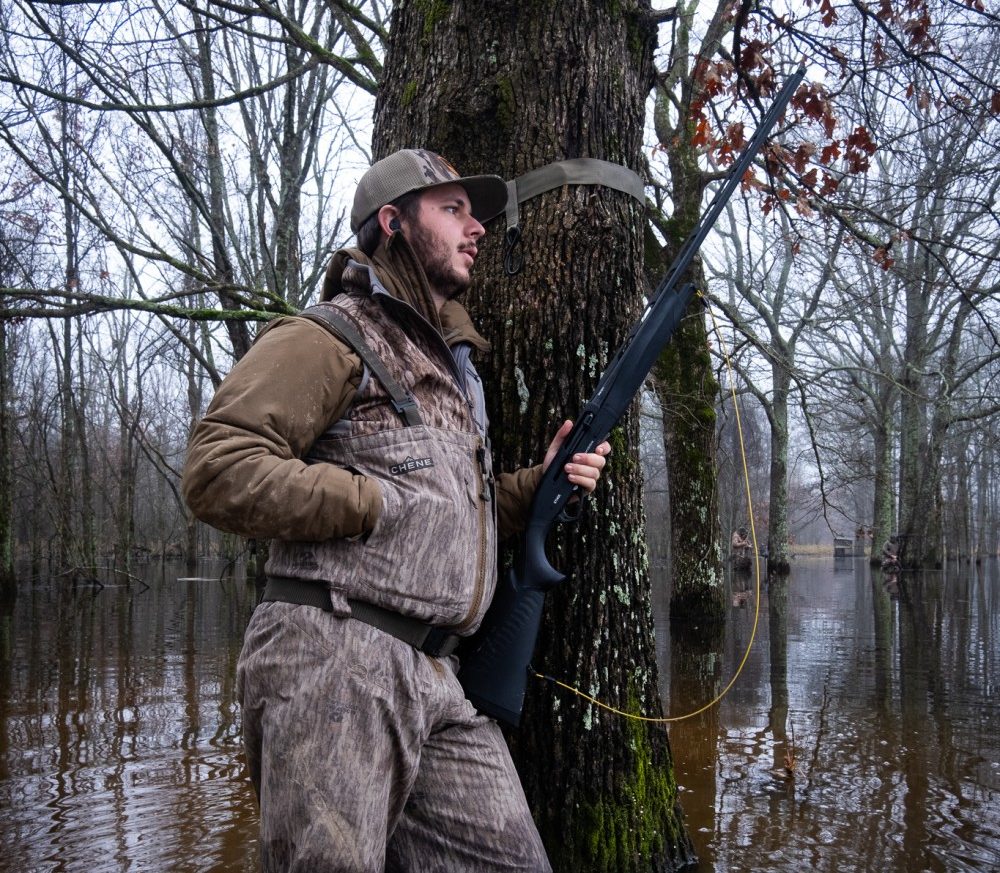

For many, early mornings in the blind are right around the corner. Last-minute gear prep, dog training, and shooting practice are all on top of the to-do list. Equally important, prior to the season opening, is pre-season scouting. Things change from year to year, and your honey hole last season may be birdless this season. With the final stretch upon us, these tips for pre-season scouting will help find new spots and fresh birds come the opener.
Find Water

Early-season duck hunting can be great, especially if you know where the birds are. The key to finding birds is to find water. Utilizing e-scouting apps and their various layers can help hunters find new water. Tools like the onX recent imagery feature pull in fresh satellite images every few weeks. This updated data can reveal flooded fields, seasonal ponds, and standing water that may hold ducks. In addition, hunters can use recent satellite photos to monitor regular hunting spots. This will give you an idea of water levels and how that may affect your early-season plans.
Look for the Right Hide
Something every hunter should consider is where and how they set up for a hunt. This is obviously important, the morning you’re walking into your spot, but it all starts with proper scouting. If you find a spot with birds, but no hide, then your chances of a successful hunt drop dramatically. Rather than educating birds, make sure you scout for spots with good hides prior to hunting.

For walk-in spots, this can be as simple as getting eyes on the spot and making sure there is adequate brush to make a hide. If that’s not the case, then you may have to build a make-shift blind or bring a panel blind prior to your hunt. If you’re e-scouting, look for fields and areas with edges that can be used as a hide. A field with no edges can be tricky to set up and pull birds.
Hit the Road
E-scouting apps can be great tools to find new spots, but in the end, you have to get eyes on the spot. Prior to the season, hit the road and put eyes on likely spots. Not only will this give you a better understanding of the layout, but it will give you an idea of where the birds actually are. Countless times, we’ve found likely new spots only to pull up to scout and find no birds. Not all water or land is created equal, so make sure the area you plan to hunt holds birds.

When you’re scouting new spots, bring good glass. A pair of binoculars can help you find birds, but oftentimes a spotting scope is needed to pick out specific species. If you’re hunting early-season teal, then identifying birds down to the species is key. The last thing you want to do is pull up on opening day to find a spot with nothing but big ducks.
Talk with Landowners
You’ve put in the groundwork prior to the season and found new spots. Some may be on public land, but there’s a good chance some are on private land. If you find yourself in the latter, now’s the time to ask for permission. If you’ve never asked for permission before, it can be an intimidating task. Oftentimes, the best way to gain access is to go knock on doors. This lets the landowner get an idea of your character and can help secure needed permission. Make sure you’re dressed presentably; a hunter in blood-stained camo will often lead to a firm no. If you still need something to sweeten the deal, consider favors like offering help around their land or small gifts like a case of beer, which can go a long way. For more tips on getting permission, check out our in-depth piece HERE.