


Late season waterfowling sees the worst weather and the best days of the year. My favorite hunt ever at home was the snowy December day when I hauled my gear on the plastic sled my sons had outgrown into a half-frozen pond along the Iowa River. The early birds ignored me, but at 10:00 a.m. a switch flipped. Mallards, a gadwall, Canadas, and a wayward goldeneye all wanted into my modest decoy spread. Cold weather can make otherwise wary birds do dumb things as they become more desperate to feed and, often, to find open water. A critical part of late season success is the gear you bring to endure the elements. In this What We Pack, we teamed up with Negrini Cases to dive into late season gear essentials so you can stay out longer and reap the rewards of late season hunting.
Things to Consider for Late Season Hunts

The late season tests your skill and your endurance. You’ve been through the wringer of a long season already, and that’s nothing compared to what the birds have gone through. To be successful, you’ll have to fool ducks that have been hunted hard. You’ll have to put up with the cold, and possibly the ice, and keep yourself comfortable during the frozen vigils of the season’s last days. You have to bring your A-game to the late season, and it helps if you can bring the right gear, too.
What We Pack: Late Season Hunts
1. GHG Pro-Grade Fully Flocked Mallards
Late in the season, small, realistic spreads set in the right place can fool ducks that have seen a lot of big rigs of weather-beaten decoys. Save these ultra-realistic mallards for the last days of the season, when their bright colors will pop in the winter sunshine. GHG’s Pro-Grade mallards are completely flocked—bodies, not just the heads—to cut glare and look as real as plastic decoys can look. They come packed with four drakes and two hens. Both hens and two of the drakes have swivel heads, so you can vary the poses. Invest in a dozen, keep them in two six-slot bags, and break them out for the waning days of the year.
2. Higdon Pulsator Pro Motion Mallard

When ponds and marshes begin to ice up, ducks look for the glint of open water. A splashing, bobbing Pulsator Pro in your spread makes ripples and splashes that show up for days. Motion decoys also help if you are breaking up ice to make a hole. Moving water slows the time it takes for ice to refreeze, prolonging your hunt or at least the time between clearing the hole again. The Pulsator Pro adds motion to your spread, too. Its rechargeable batteries have a seven-hour runtime. The decoy is foam-filled for toughness, and works in as little as six inches of water.
3. Bigfoot B2 Canada Sleeper Shells

If your area has ice, and Canada geese, you’ll want to crowd Canada sleepers all around the edge of the hole. Canadas add visibility, and ducks feel comfortable landing with geese. If goose season is open, these might net you a bonus honker, too. The B2 sleepers are big, so they show up. They have flocked heads and tails for realism, and they are easily stackable and tough, too.
4. Banded Decoy Gloves

Get your hands wet setting decoys, and you’ve gotten a head-start on late-season misery before the hunt even begins. Banded decoy gloves are cheap insurance against numb fingers. They are fully waterproof, have fuzzy insulation inside, and they are orange, so they’re easy to find among your piles of camo gear. They sell for under $20 and are a late-season essential, and that goes double when breaking ice becomes a necessity.
5. Negrini Duck Ruckus Compact QR Hard Case

Snow, ice, and freezing temps mean you will abuse your shotgun on late-season hunts. Whether it’s tossing it in the backseat or going to and from the field, you should at least let it ride in a quality gun case. The Negrini Compact QR case holds a gun with a barrel up to 34 inches long in a durable, compact, lightweight hard breakdown case that is the standard by which such cases are measured. Sometimes, too, the best way to hunt the late season is to fly south to where the ducks are. The Duck Ruckus case has a shoulder sling and three TSA-approved locks, and it only weighs 7 ½ pounds unloaded. There is no longer a need to lug around a heavy, oversized gun case through the airport.
6. Rig ‘Em Right Lowdown Floating Backpack
The Lowdown pack holds a lot of gear, it floats, and it rides comfortably on your back on the hike in and out. It has a big main compartment plus outside pockets for sunglasses, ammo, and other accessories, as well as a water bottle holder. It’s also a good-looking pack, and it has an internal laptop pocket, so you can use it for travel, too. I fill mine with ammo, clippers, gloves, warm hats, neck gaiters, coffee and an embarrassing amount of snacks, as well as other odds and ends.
7. Sledge, Garden Rake, and Snow Shovel
If you hunt where you have to break ice, a sledge makes it easier to get started. Ideally, you’ll use the sledge to crack the ice on the outside of the hole and make big sheets that you can slide under the standing ice, leaving a clean hole in which to set decoys. In very shallow water, where breaking and sliding sheets of ice may not be possible, the rake comes in handy to clear the hole of the ice chunks that make ducks think twice about landing in a hole. Along the same lines, if you’re hunting dry fields, a snow shovel is a great tool to bring. You can “grass in” blinds with snow or use it to dig out vehicles if they get stuck.
8. Clippers or Hedge Trimmer

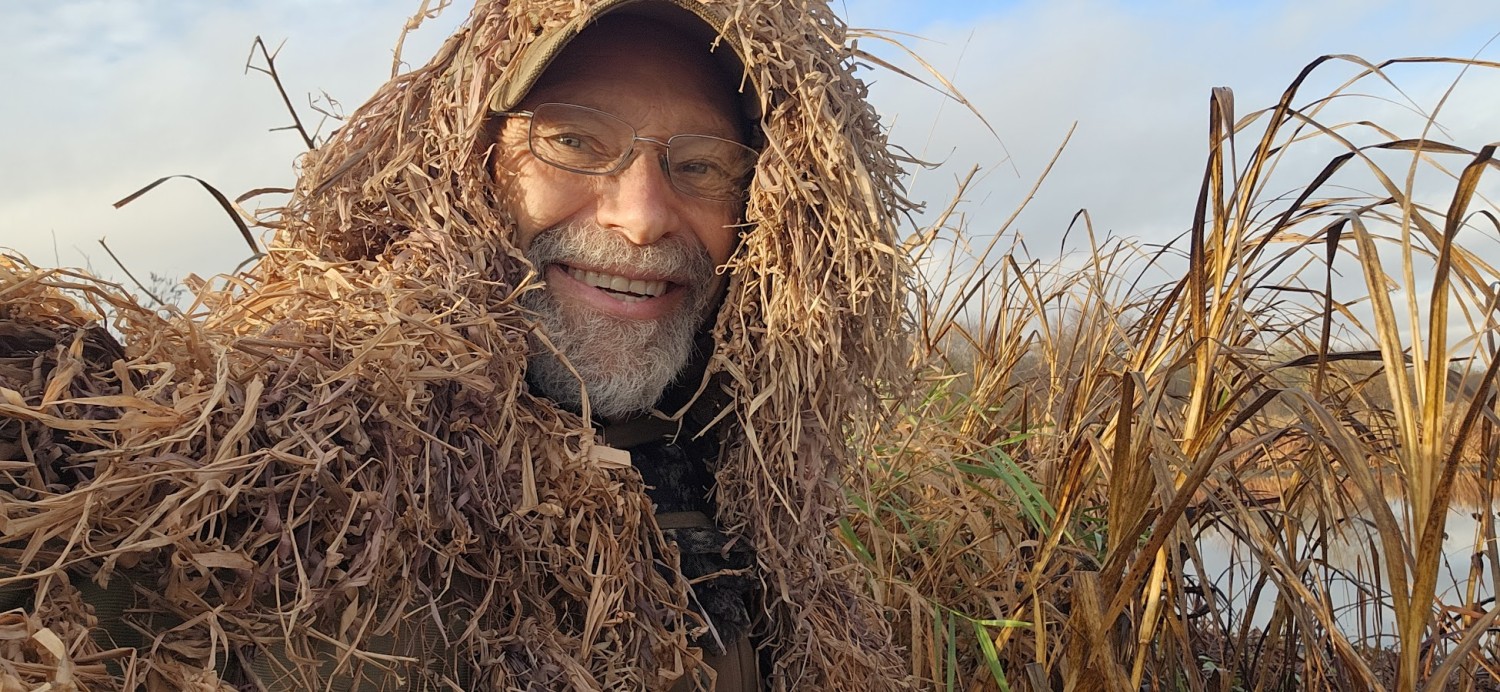
Hiding is essential any time, but it’s especially important late in the year when ducks are tired of getting shot at. If you’re low-tech like me, a set of good clippers helps gather material to spruce up an existing blind or create a new hide. The better option is a gas or electric hedge trimmer, with which you can instantly make piles of fresh blind material.
9. Cleaning Kit

Cold weather can make guns run sluggishly, and there’s always the chance of plugging a muzzle in snow or mud, too. Bring a cleaning rod— not a bore snake—for unplugging barrels. For guns that have been over-oiled and grow balky in the cold, a product like Hornady One Shot, which combines a cleaner with a dry lube, can help get the gun running again. Add both to your Negrini Case and always be ready.
10. Jet Sled

Walking through snow with loads of gear is a workout. A Jet Sled will allow you to lessen the load and use the snow to your advantage. Jet Sleds willing slide across snow and ice and have ample space for decoys, guns, blind bags, and more. They also float, so traversing between snow-packed ground and water requires minimal effort. When it comes to late season hunts, using the elements to your advantage is key, and a Jet Sled makes the most out of it.
Late season is tough, and it’s tougher if you’re not geared up right. You’ll have to find birds, set a realistic spread, hide well, and stay warm while you wait for the birds to fly. When you do everything right, you can have a hunt in the season’s last days that you’ll remember and savor throughout the long off-season.