

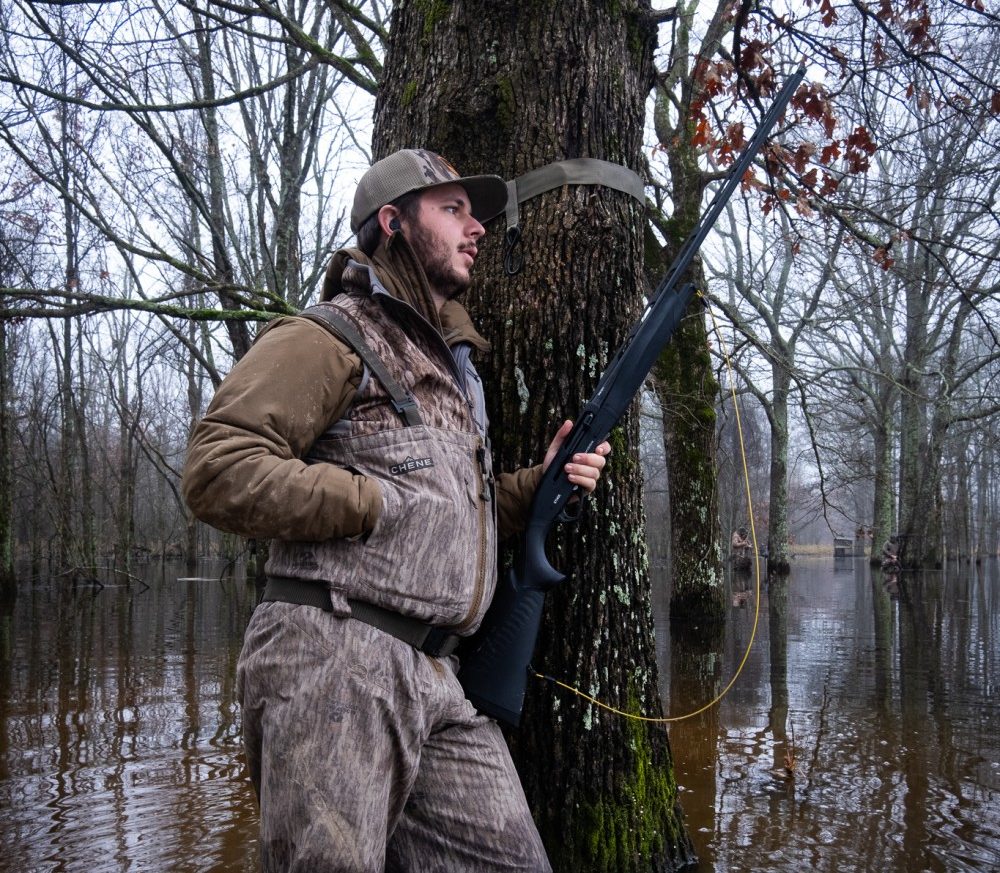

Waterfowl hunting is divided into four main flyways, encompassing unique experiences and hunts across the country. For some, the idea of watching greenheads fall through the trees may be the only type of hunting available, while others revel in the thought. Wherever you live, and whatever birds you chase, we’ve compiled a list of some of our favorite bucket list waterfowl hunts. These hunts present unique opportunities, hunting styles, and scenery that every duck and goose hunter should experience.
1. Canada Field Ducks

Large wads of ducks pouring into freshly cut fields is an experience every waterfowl hunter should see at least once. While you can find this in the States, there is no better place to experience this than Canada. With seasons opening in mid-September, historically, Canada is an early-season waterfowlers’ paradise. But recently, warming temperatures have extended the Canada season well into the fall, providing opportunities to shoot birds in full plumage. Hunters also benefit from an eight-bird limit, and depending on the region, opportunities for geese and cranes.
2. East Coast Black Ducks

For many, a black duck is a bucket list species, and there is no better place to consistently shoot them than the Northeast. Scattered along the Atlantic coast are endless mazes of salt marshes. The tidal creeks that feed these marshes are the perfect home for migrating black ducks. Weaving in and out of the creeks and chasing tides while looking for black ducks is a mesmerizing experience. Add to that the difficulty it takes to fool a wary black duck, and this hunt is as unique as it gets.
3. Argentina in the Off Season

When waterfowl season closes in the States, it opens in Argentina. Positioned south of the equator, the seasons are flipped. For waterfowlers wanting to beat the off-season blues, this is the perfect escape. The northern regions of Argentina consist of endless marshes, pothole regions, and agricultural fields. Just like in the States, this habitat brings with it plenty of ducks. Expect to shoot a number of species you’ve never seen or heard of, including white-cheeked pintails, silver teal, Brazilian teal, and rosy-billed pochards, to name a few.
4. King Eiders

King Eiders are one of the most sought-after and hardest ducks to kill, and for good reason. They are a sea duck that can be found in desolate arctic seas. For hunters looking to harvest one in the US, you’re best bet is Alaska; however, by no means is this guaranteed. Rough seas, unpredictable weather, and bone-chilling cold make getting to the hunting grounds half the battle. If you do make it to the hunting grounds, make your opportunities count and shoot only mature drakes (in Alaska, non-residents are allowed just three birds per season). There are also opportunities to target king eiders in the Atlantic in Greenland. While it’s hard to beat the adventure of Alaska, for those looking to shoot a guaranteed king and save a little money, Greenland is an option.
5. Great Salt Lake Teal Hunting

At just over a million acres, the Great Salt Lake is an endless expanse of shallow water and mud flats. Dotted among this unique lake are also hundreds of thousands of green-winged teal. Access on this lake can be tricky. To get to the birds and through the mud, you need an airboat. But when you get to the “X,” expect fast-paced shooting at wads of plummed out green wings. The style of hunting is also unique. Expect to hunt out of jet-sleds surrounded by blackout silhouette decoys.
6. Texas Cranes

Texas boasts an impressive amount of waterfowl hunting opportunities, like early-season teal and coastal salt marshes. But sandhill crane hunting is arguably one of the most unique aspects of Texas waterfowl hunts. While there are opportunities to shoot cranes in other states, nearly 75% of the US sandhill population makes its way to Texas every year. These hunts consist of dry field hunts over decoys and edge hides. With a seasoned caller, expect to decoy small groups of cranes up close.
7. East Coast Sea Ducks

Sea duck hunting is not unique to the East Coast, but it is better. On the East Coast, hunters are able to shoot six birds compared to the 2-4 bird limit on the West Coast. A typical sea duck hunt, when done right, consists of long lines of decoys and layout boats. You’ll be up close and personal as eiders, oldsquaw, and scoters buzz the spread. There is always an element of danger when hunting open water, so stay vigilant.
8. Arkansas Timber Mallards

Few things are as synonymous with duck hunting as greenheads falling through the trees into a timber hole. If you’ve never experienced this type of hunting, put it at the top of your bucket list. Watching seasoned callers work mallards down through the trees, the echoes of gunshots through the woods, and the history around places like Stuttgart all add to the experience.
9. Southeast Spec Hunting

While known for its timber hunting, the Southeast has grown in popularity as a destination for hunting specklebelly geese. When everything lines up, hunters can expect to see thousands of specs in the sky. These vocal birds, aptly dubbed giggle chickens, blanket the sky with their calls. When they decoy, you’ll be greeted with impressive acrobatics as birds flip and roll on their way in. They also make incredible table fare, only adding to the reasons this should be a bucket list waterfowl hunt.
10. Conservation Season Snows

Snow goose season can be hit or miss, but when you’re on them, you’re on them. The sight of hundreds of thousands of birds working overhead and the deafening sounds of their calls will get any hunter’s blood pumping. While the regular season can provide the same sights and sounds, hunters benefit from more liberal limits during conservation season, extended tube shotguns, and electronic callers. Line everything up right, and this is a hunt you won’t forget.