

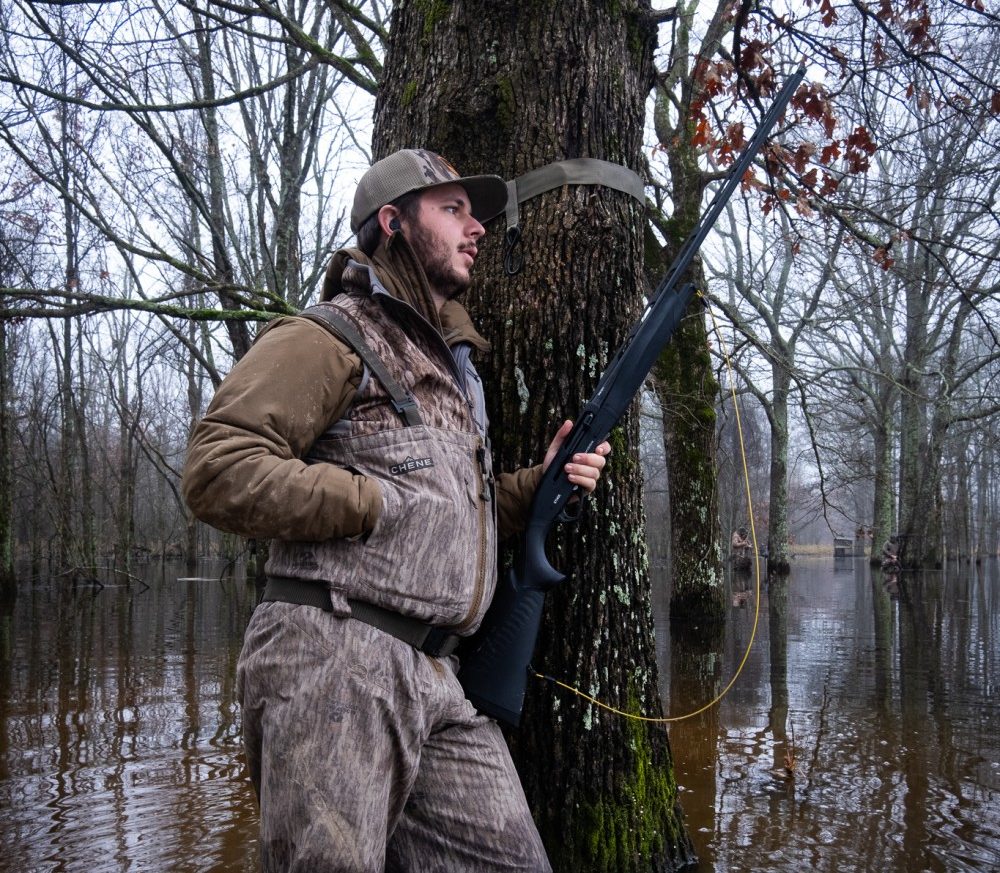

Tungsten Super Shot (TSS) has become the shotshell type of choice for serious turkey hunters. That’s because it is approximately 1.5 times denser than typical lead shot, meaning hunters can use a smaller shot size, have a higher pellet count, and hit harder. Tungsten shells also have a tighter pattern at extended ranges, making them lethal out to nearly 70 yards. This performance has even contributed to the rise of hunting with sub-gauge guns like .410 and 28-gauge. In almost every way, it’s the perfect shot type to hunt turkeys with, except for price.
TSS shells have always been significantly more expensive than their lead counterparts. Currently, TSS shells range in price from $80 a box on the lower end to over $100 a box, depending on gauge, shell count, etc. This is a steep incline from last spring due to trade wars and tariffs with China. Prices reflect this, with most shell prices nearly doubling year over year, and unfortunately, tungsten just got a lot more expensive.

Recent conflicts in the Middle East have caused tungsten prices to skyrocket yet again, this time to $400/kg according to Salt Creek Ammo, a small batch ammo manufacturer. The price jump stems mainly from military applications that require tungsten for specific components. The ongoing conflict is tapping tungsten reserves and driving tungsten prices to new highs. As a result, TSS shell prices could rise to well over $300 a box. For hunters, buying TSS shells becomes more than expensive; it becomes unrealistic.
The Good News and the Bad
For hunters wanting to shoot TSS this season, don’t fret just yet. You’ll likely experience the initial price increase from past trade wars, putting most TSS turkey loads around $100 a box. The good news is that prices this season shouldn’t see any drastic increases, as most shells have already been manufactured or companies have tungsten reserves. The bad news is that as tungsten prices continue to rise, shell prices will skyrocket. For the consumer, TSS loads will not be a viable option, and many manufacturers may stop producing them altogether.
If TSS prices continue this upward trend, turkey hunting will likely look a lot different next season. Sub-gauges will be less effective, and forget about the bird that hangs up at 60 yards. That said, there are some upsides to this. Hunters will have to work birds in close to make ethical kill shots. This places an emphasis on calling, camouflage, and patience—something all turkey hunters can benefit from mastering.