

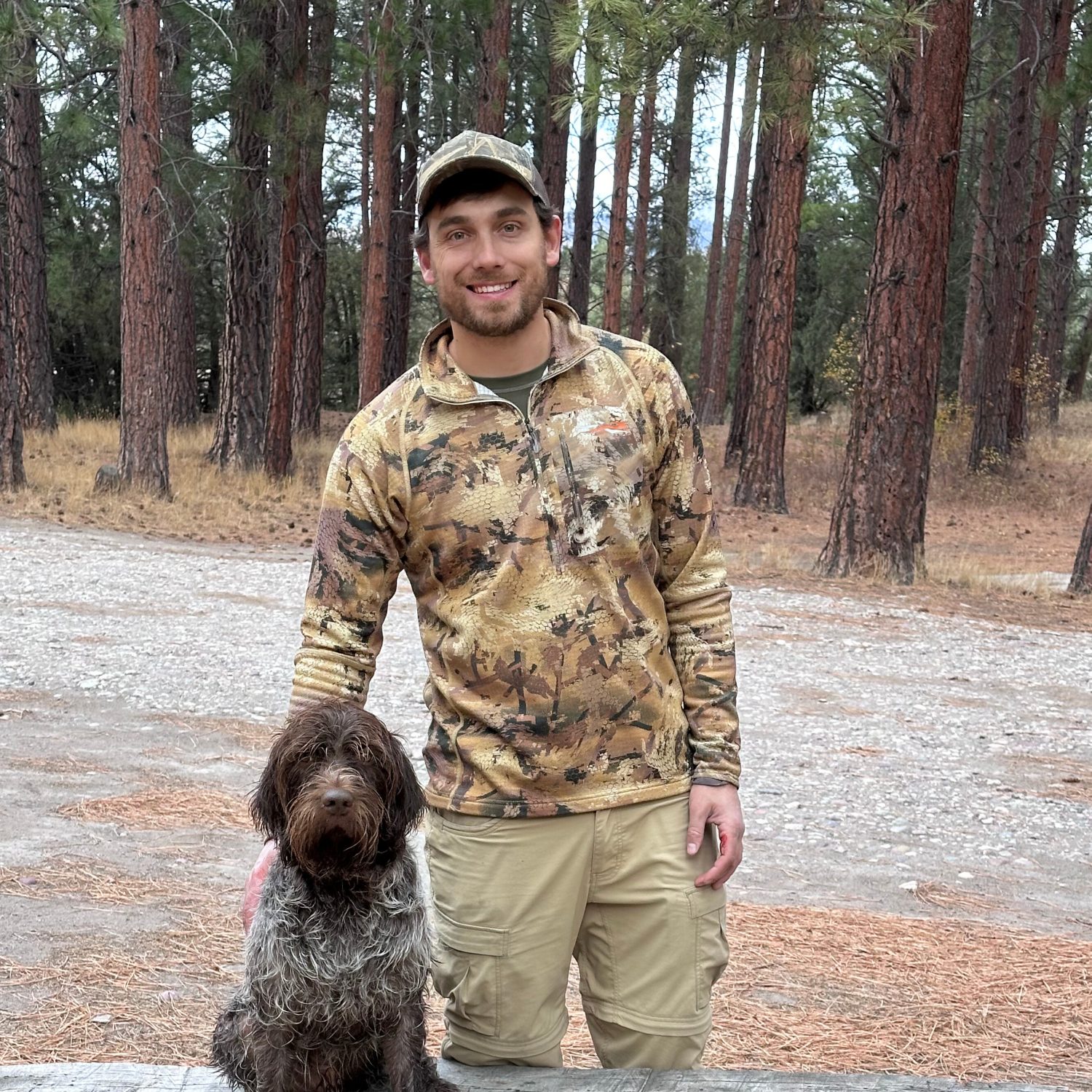

Keeping your dog safe and performing well in the field requires keeping them hydrated. While dog hydration may seem to be simple—many dogs happily lap from their water bowls, after all—there’s a lot that goes into proper hydration for sporting dogs.
To answer the biggest questions gun dog owners might have when it comes to proper dog hydration, we spoke to Dr. Matthew Ryan, a veterinarian at the Animal Clinic of Oxford, Mississippi, with a particular interest in working dogs. Dr. Ryan is also an avid waterfowl hunter himself, having grown up duck hunting near the flooded timber mecca of Stuttgart, Arkansas.
1. Take Preventative Measures
If you start thinking about your dog’s hydration after you begin training or hunting, it’s too late. “When we are looking at preventing dehydration and any other kind of heat-related injury, we want to play the preventative game,” says Dr. Ryan. “We don’t want to play the reactionary game.”
Longer-term measures that can help prevent dehydration include things like feeding a well-balanced dog food, which can impact how well a dog’s body stays hydrated, as well as making sure they’re within a healthy weight range. Additionally, committing to a consistent conditioning regimen that involves the kinds of hot temperatures will face in the field is also incredibly important.

Dr. Ryan also suggests attempting to get your dog to drink a little extra water than usual the evening before a hunt. One way to do so is by mixing water with kibble, or “floating the food,” as they call it in the South, which both hydrates a dog as they eat and can improve digestion and nutrient absorption. Another way to do this is by using a dog-specific hydration supplement or bone broth product. These add some biological benefits but also often come with flavor additives that encourage a dog to simply drink more than usual; this is a win-win, according to Dr. Ryan. By keeping your dog in good shape and getting them into the field with a solid base-level hydration, you are set up for good performance in the field or duck marsh.
2. Keep Water at the Ready
Even on short outings, it’s important to carry water that you can make available for your dog. While in the sporting dog community there is some debate over how to best serve the water to your dog, Dr. Ryan emphasizes that the most important thing is simply making the water available, whether it’s using a collapsible bowl to provide clean water next to a blind or carrying a squeeze bottle in the field on a long upland hunt. The water should be relatively cool; if it’s too cold or too hot, a dog may refuse it.

It helps to routinely offer water in a consistent manner so that your dog is used to it. For instance, I always carry squeeze bottles when upland hunting, and my dog knows to check back in with me for a drink when he gets thirsty. Additionally, he knows how to drink from a squeeze bottle, which is something that upland dogs often learn, but this should be practiced during training and not in high-exertion hunting situations.
3. Dog Hydration No-Nos
One key thing to keep in mind when it comes to gun dog hydration is not to force-feed water to a dog when they’re hot. “Dogs cool by panting and moving air over their tongues,” says Dr. Ryan. If we force them to drink water by squirting water into their mouths constantly, it will prevent them from cooling themselves sufficiently.
Another no-no that Dr. Ryan sees involves feeding dogs sugar-free human drinks. While it’s always better to give gun dogs canine-specific drink supplements, he knows that some hunters will share drinks like Gatorade with their dogs. But doing so with sugar-free beverages can cause serious issues.

“A lot of companies use things like xylitol as their sugar substitute to bring some sweetness into it,” says Dr. Ryan. “For dogs, these sugar substitutes can become essentially toxic. This can cause dogs to become hypoglycemic and get into a really tough situation if they intake too much of it.”
Another potential hazard that hunters need to be mindful of is harmful algal blooms, which, according to the CDC, can prove deadly for animals such as dogs. Never let a sporting dog drink from a natural water source that has discoloration that could be evidence of a harmful algal bloom.
4. Check for Signs of Dehydration
Despite preventative efforts and carrying water in the field, it’s still possible for a dog to become dehydrated, particularly during periods of intense exertion in extreme heat. To check for dehydration, Dr. Ryan offers a simple trick.
“Checking for ‘skin tint’ is a really quick, easy check,” he says. “What you do is find an area of the loosest skin possible. Most people use the area behind the head. All you do is pick it up and count how many seconds it takes for that scruff to lay back flat. If it stays up for more than two or three seconds, you really want to look at pulling back and focusing on hydration.”
Other ways to check for dehydration include assessing a dog’s gums and saliva. Wet and moist gums are a sign of a well-hydrated dog, while dry or tacky gums are a sign of dehydration. Thick and stringy saliva is also a clear indicator of dehydration.
5. Cold Weather Reduces but Doesn’t Eliminate Hydration Concerns
Most bird hunters only think about hydration during warm hunting conditions. According to Dr. Ryan, this is when the risk of dehydration is significant. However, the same preventative hydration measures should be taken when it’s cooler out, too, for performance reasons.

“Like any athlete, the better hydrated we are, the better we’re going to perform,” says Dr. Ryan. “The same is true of working dogs.”