

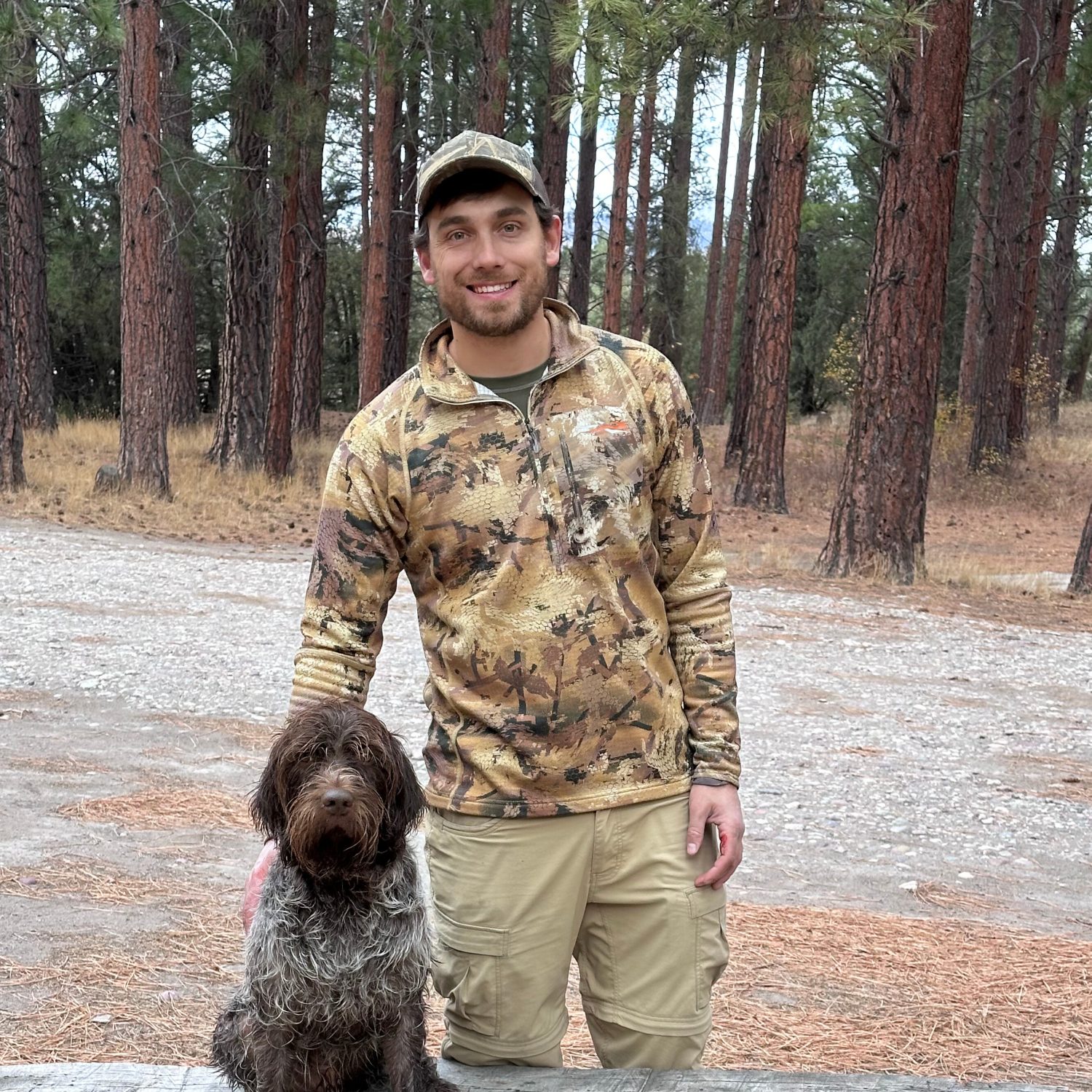

Gun dogs are prone to getting banged up in the field. It’s a simple fact, considering how common it is for them to scrape a paw pad, run into a porcupine, or any other manner of injury. But every duck dog owner I know cares deeply about the well-being of their dogs. While we might not be able to prevent our hunting buddies from facing risks and obstacles in the field, we can be prepared to help them if and when an accident occurs. And one of the best ways of doing so is having a top-notch first aid kit. Actually, two—a trauma kit that you can bring into the field, and a more comprehensive, but bulkier, collection of gear that you can keep in your truck.
While there are a good assortment of pre-made dog first aid kits on the market, most serious hunters like to dial in their kits either by adding onto a pre-assembled kit or by building one from scratch. To put together the ultimate DIY dog first aid kit, here’s what you need to know.
Start With Your Field Kit
The most important safety gear you’ll carry with you in the field is a medical kit that can help save your dog’s life in the case of trauma, and also aid minor wounds that don’t require further treatment. This kit should be small enough to easily fit in a blind bag, alongside the rest of your gear, so it, by nature, can’t and won’t be comprehensive.
When assembling a field first aid kit, I start with the lifesaving medical gear that can be used both for a dog and a person. Some of these basics include a tourniquet and QuickClot to help mitigate heavy bleeding, a Sam Splint, or something similar, to stabilize broken bones and joints, Benadryl for snake bites (human Benadryl is safe to use for dogs), and bandage material (Vetwrap) and antiseptic wash for open wounds.

Next, I think about medical gear that is more specific to dogs. Some of the necessities here include a pair of hemostats to pull porcupine quills, nail clippers to help with broken nails, heavy-duty zip ties and a wire cutter to free a dog from a predator trap, glucose gel or honey to help exhausted dogs with low blood sugar, eyewash to remove seeds and other debris from an eye, and a slip lead that you can use to lead an injured dog out of the field or turn into a makeshift muzzle to protect yourself from dog bits when you’re administering aid. One piece of gear that isn’t often included in dog first aid kits that I like is chest seals, which can help save a dog’s life in the case of their chest getting punctured by a stake or a stick—something I’ve heard happen to hard-charging bird dogs. This product is a bit more advanced from a first aid knowledge standpoint, and can be challenging to administer due to thick fur.
Which brings me to an important point: your first aid kit gear is not helpful if you don’t familiarize yourself with how to use your equipment. Anytime a dog gets injured, it’s easy to panic and lose focus, and gun dogs often react loudly and become difficult to handle. And you’re also likely to be outside of cell service, which means you need to be self-sufficient in applying first aid. When an injury happens is not the time to figure out how to use your medical products; that needs to be done well before you go hunting with your pup. And you should only carry equipment to whatever level of first aid you’re comfortable administering.
The Truck Kit
Ideally, your field kit will have what you need to get your dog to professional veterinary care. But many hunters become good at administering additional aid to injured dogs themselves by necessity, either because vet care costs for gun dogs add up or they spend a lot of time on trips far away from emergency vets. This is all to say: not everyone needs a comprehensive dog first aid kit in their truck, but most hunters have one.

Again, the DIY dog first aid kit that you keep in your truck should only include medical equipment that you familiarize yourself with and are comfortable using. Some common products that folks include here are things like a skin stapler to patch up wounds, antibiotics, hydrogen peroxide to get a dog to vomit if they’ve eaten something unsafe, a digital thermometer, a fur stripping tool to remove burrs, a muzzle, a digital thermometer, paw cream, and other gear. I also carry heavy leather gloves to protect myself from dog bites if I’m unable to use a muzzle and am treating something in my dog’s mouth, like pulling quills from it, which I had to do last fall.
The Final Word on DIY Dog First Aid Kits
Being prepared for accidents is an important part of being a responsible waterfowl dog handler. While this article breaks down some of the most important pieces of gear to include in your kit, putting together your DIY dog first aid kit depends on the type of dog you have, the type of hunting you do, and the conditions and obstacles your dog is likely to encounter. I strongly recommend consulting with a veterinarian who understands hunting dogs when assembling your kit. It’s also paramount that you understand how to use and are comfortable using your medical equipment before going into the field. It’s also important to keep your field kit small enough that you actually bring it with you consistently; it does you no good if it’s so bulky that you leave it at home.