

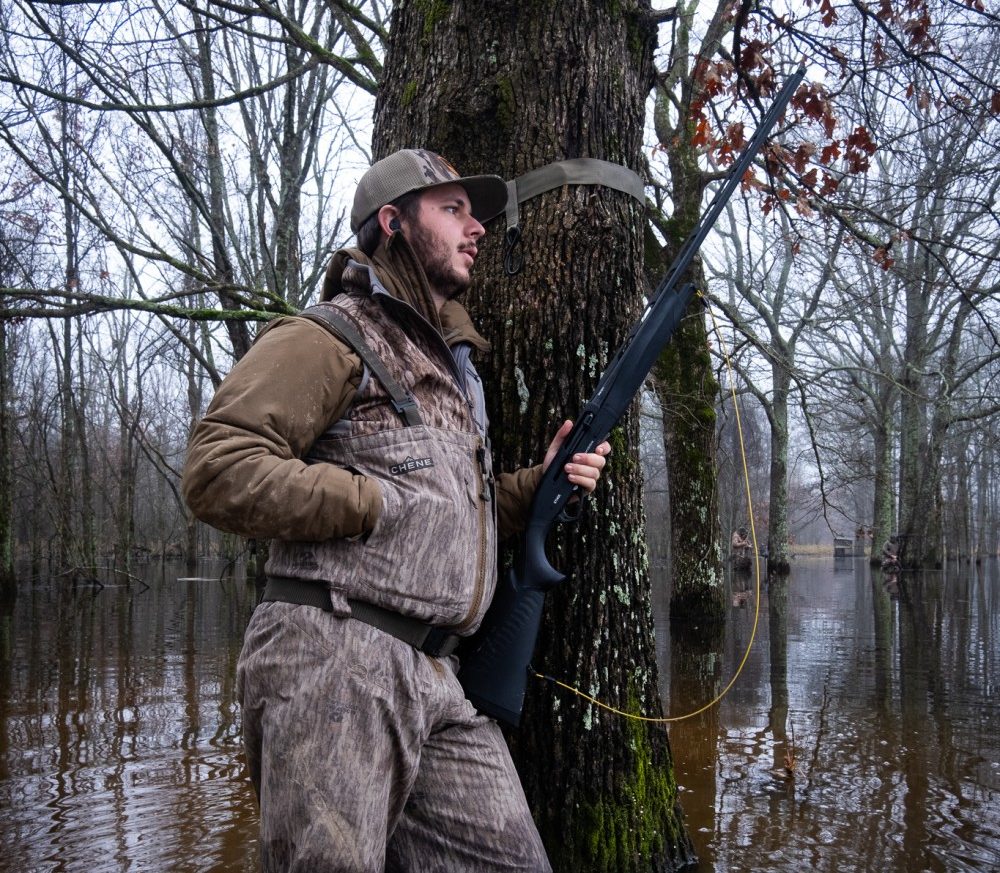

The wild turkey recovery is touted as one of the greatest conservation success stories. From record low numbers in the 1930s (just 200,000 birds nationwide) to healthy populations in 49 out of 50 states (nearly 7 million birds). Reintroductions were a massive success, and hunters got the opportunity to chase gobblers across the country. Yet today, turkeys face another threat, with numbers declining in southeast states like Missouri.
Conservation organizations like NWTF and Turkeys for Tomorrow continue to pioneer the science and recovery efforts on a large scale basis. Their work helps improve habitat and protect the birds we cherish every spring. But conservation doesn’t just apply to these larger groups. It’s our duty as stewards of the land to protect the species we love chasing, and that means a grassroots approach to conservation. So what can hunters do to improve wild turkey populations on a local level?
Ground Nest Predators
Turkeys are ground nesting birds, meaning the hens lay eggs and incubate them prior to hatching. Typically, a hen will lay her eggs in dense vegetation, incubating the eggs for 26-28 days. During this time, she rarely leaves the nest, waiting for the eggs to hatch.
While hens are on the ground nesting, they are vulnerable to ground nest predators looking for an easy, protein-packed meal. Predators like raccoons, opossums, skunks, coyotes, bobcats, and foxes are all considered ground nest predators. In spring, high numbers of these predators can directly affect turkey nesting success, resulting in fewer poults hatching. While habitat and food sources for turkeys may be ideal, an abundance of predators will directly impact your local turkey populations.
Removing Ground Nest Predators

Making a concerted effort to reduce nest predators on your hunting lands is an excellent locally-focused means of turkey conservation. Historically, trap lines throughout the US kept many of these nuisance predators in check. However, with trapping falling out of popularity, fewer and fewer people are tending to trap lines, and predators are rapidly rising. A decline in small-scale farm operations and farmers managing predators has also contributed to the rise of predator populations.
Trapping
Trapping ground nest predators doesn’t have to be complicated. In fact, it can be one of the easiest ways to effectively manage raccoons, opossums, and skunks. Raccoons, especially, as resourceful as they are, can do a number on turkey nests.
The best way to trap raccoons is with a dog-proof trap, also known as coon cuffs. These traps consist of a cylinder with a trigger mechanism inside. Once baited, the raccoon or other ground nest predator reaches into the trap for the bait, triggers the mechanism, and gets its paw stuck. Typical baits for these traps are dry food like cat or dog food. You can also enhance these baits with additional scents.
Run a half dozen of these traps and check them regularly on your own turkey hunting parcels. Even a handful of raccoons removed from the landscape can make a difference in turkey nesting success. Just make sure to check local regulations, as some states have particular seasons while others may classify them as nuisance species.
Hunting
Predator hunting is a fun way to manage these pests in the offseason. Many states have liberal regulations when it comes to hunting predators like coyotes or raccoons. The process is fairly straightforward: set out an e-caller and decoys and wait for your target predator to show up.
To target raccoons with an e-caller, you’ll first need to set up near likely hides. Look for dead trees, the bigger the better, along river bottoms or creeks. Raccoons generally don’t stray far from water, so if there’s water and dead or fallen timber, there’s probably a coon or two.
Set up fairly close by to the suspected hide with an e-caller and motion decoy. Play distressed or fighting raccoon sounds and wait for them to appear. This technique works even in the daytime. If no coons show in the first 10 minutes, move your set and try again. When one does show itself, be ready with either a shotgun or a small-caliber rifle. Note, a fired-up raccoon will come in fast, so a shotgun might be the best bet.
Stay Persistent
Predator management is a great way to ensure the future of your local turkey populations. While the work organizations like NWTF and Turkeys for Tomorrow will always be crucial for the continued success of wild turkeys, managing predators is a great way to get involved on your own property. In just a season, you can directly see the results of predator control with better poult hatches and more birds on the landscape. That said, predators will always be an issue, so staying persistent is crucial. Year after year, it’s important to do your part and trap or hunt ground-nesting predators.