

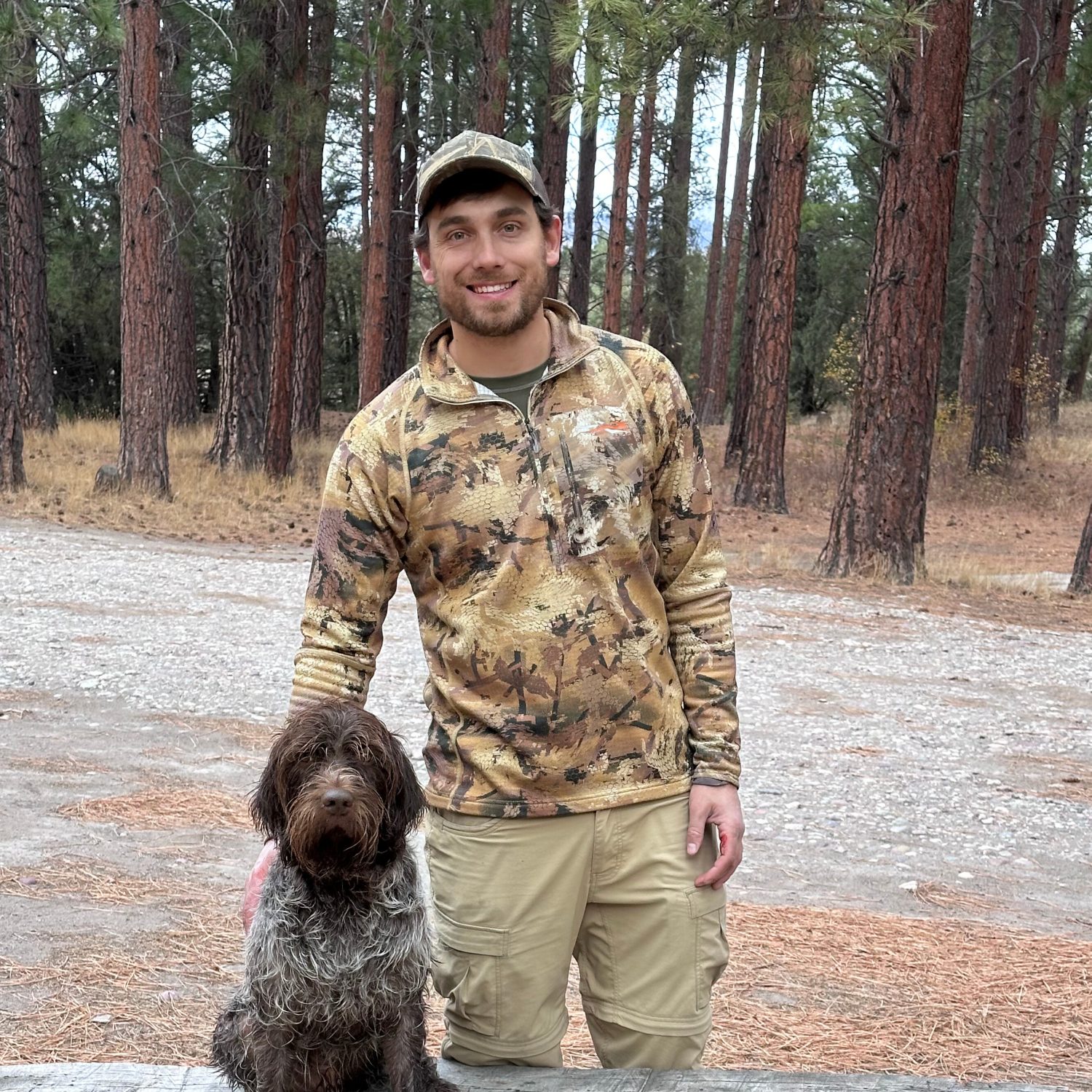

A good gun dog won’t give up. They’ll push through injuries or make a retrieve in dangerous conditions if you ask them to. That’s just how much drive many bird dogs have—and how badly they want to please their owners. But it’s your responsibility to know when to take your dog out of the field for their own safety.
To help guide gun dog handlers on this important topic, we spoke to Dr. Robert L. Gillette, a veterinarian with 38 years of practice experience, including 25 years as a board-certified veterinary specialist in sports medicine and rehabilitation. Dr. Gillette worked with Field & Stream Pack Provisions—the sponsor of Split Reed’s Dog Week—to develop their industry-leading dog nutrition products and is one of the foremost experts in the performance sciences related to athletic working dogs. He’s worked with bird dogs throughout his life and offers important insight into when to take a dog out of the field.
Get a Blood Test During a Pre-Season Checkup
There are too many health issues to list that can dramatically impact a dog’s health and subsequently, their performance in the field. One critical way of getting ahead of these issues is to be vigilant about getting a pre-season checkup that includes blood work. These can help screen out hidden injuries or illness that could otherwise hinder a working dog and potentially make it unsafe to bring them into the field.
“Every bird dog should get a veterinary checkup sometime in June or July that includes a blood test with a tick panel,” says Dr. Gillette. “Make sure you know what kind of physical state your dog is in before September.”
What’s an Unsafe Temperature
Another key safety consideration for hunting dogs is temperature. Cold temperatures—and in particular, water retrieves in cold temps—can cause a dog to risk hyperthermia, while hot ambient temperatures pose the risk of dehydration and heat stroke. When it comes to determining an unsafe threshold, however, it depends both on the dog and their prior conditioning.
“When we sent dogs over to Iraq and Afghanistan, we acclimated them to both the temperature and exercise expectations,” says Dr. Gillette. “Well-conditioned dogs could handle the higher temperatures more easily.”
While heat risk varies depending on the dog—their condition and species—Dr. Gillette says it can be important to start paying special attention to this if a dog is going to hunt in temperatures of 80 degrees and above. Additionally, high humidity levels can make it more difficult for a dog to cool itself off by panting.

On hot days, it’s important to watch out for potential signs of overheating. One of them is that your dog isn’t listening to commands or hunting as well as they normally do. Another one, according to Dr. Gillette, is watching for dogs seeking shade or staying in the water more than they normally do. “Look for those little deviances that make you want to say, ‘why are you doing that?’ Well, it’s because they’re not mentally there.”
Other signs of overheating include excessive panting, thick saliva, bright-red gums, weakness, and vomiting and diarrhea. Dr. Gillette also says that looking to see if a dog’s eyes “are there” is important, though this is a late sign, and a dog requires medical attention if they’re not.
Conditioning a dog to perform under hot conditions is an important preventative measure. “I would begin your conditioning program four to six weeks prior to your first hunting event,” says Dr. Gillette. “It also helps to have dogs on a high-fat diet six weeks prior to their first effort.”

As for cold weather, it’s also important to allow a dog to acclimate to it—and so, it’s particularly important to pay attention to dogs that go quickly from hot to cold environments, such as a retriever that lives in the South on a hunting trip in the North. For dogs that are able to acclimate, however, they will develop a winter coat that helps keep them warm. Still, a dog’s cold tolerance depends largely on the breed; Labs and Chessies, for instance, have thick double coats that increase cold tolerance in wet conditions compared to other retrieving breeds. Tools like neoprene vests can also increase a dog’s cold tolerance by keeping them drier and providing insulation, but only to a point.
It’s important to keep an eye out for a dog struggling with the cold. “I would check the ears, toes, and other appendages to see if they’re starting to feel cold,” says Dr. Gillette. “Also watch out for a limber or cold-water tail, which isn’t a life-threatening problem but something that can occur from swimming in cold environments.”
Beyond giving dogs time to acclimate to the cold, drying them off after retrieves on frigid days can help them maintain their body heat, as well as letting them run around for a minute.
Understand Signs of Fatigue
A consideration that all hunting dog owners regularly have to make is when to rest their dogs. Again, this harkens back to conditioning, a dog’s age, and other factors. Usually, when making considerations about fatigue, it’s important to watch for signs after a day in the field.
“If they’re real slow to get up in the morning and don’t get ramped up and ready to go like they normally do, that’s a dog’s body that’s probably a little tired,” says Dr. Gillette. “That doesn’t necessarily mean you shouldn’t hunt him, but it’s something you should note in your mind.”
Other signs of soreness include things like a dog refusing to jump up onto a tailgate or couch or being hesitant to go up or down stairs. Dogs can push through this kind of soreness, though it increases the risks of getting a serious injury. A dog simply performing poorly in the field and making mistakes is also a sign of fatigue that points to the importance of rest and recovery.
The Final Word on When Not to Hunt Your Dog
Deciding to put your dog on the bench is a personal decision that depends on both you, your dog, and the conditions you’re facing. It’s difficult to give one-size-fits-all recommendations, but it’s important to use expert veterinary guidance, follow a conditioning plan, and look for red signs such as unusual behavior that signal a dog is not doing well. Your dog won’t say when they need to stop; that’s on you.