

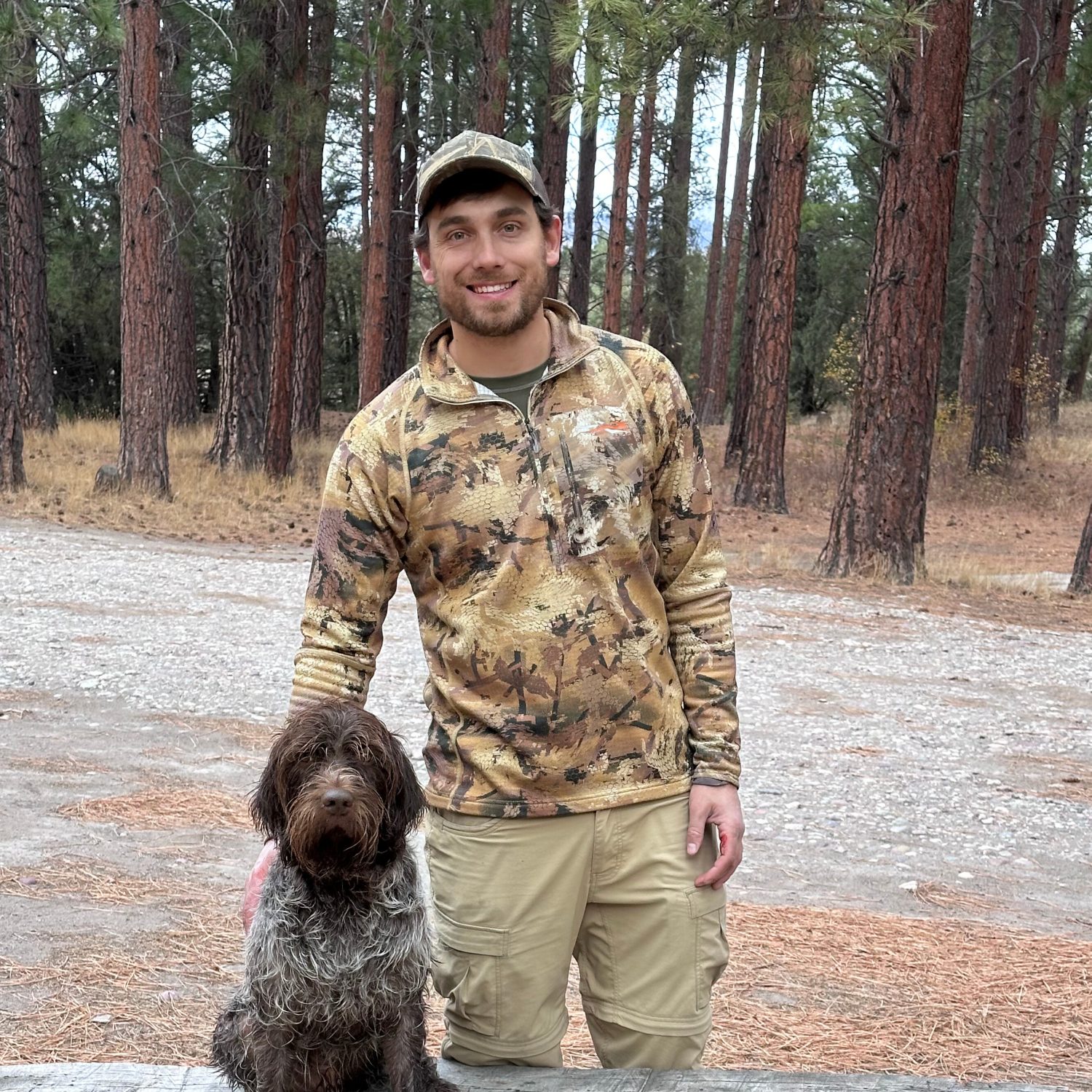

When it comes to your hunting dog, one of the most important things you can do to keep them healthy and successful in the field is dialing in their nutrition. But how can you do this? According to Dr. RuthAnn Lobos, the senior veterinarian for Purina, the best place to start is at a veterinarian’s office.
“You need to have a good, trusting relationship with your veterinarian,” she tells Split Reed. “If you are new to having a waterfowl dog, you should ask some of your friends who hunt ducks and live near you who is a good veterinarian that understands sporting dogs, and duck dogs in particular. Having a veterinarian who understands the training and conditions that these dogs experience is important.”
One of the next steps is figuring out what kind of food to feed your dog—and it’s important to get enough fuel for the training and hunting that your dog will do. According to Lobos, waterfowl hunting is an “endurance event,” because of the early wakeups, prolonged focus, repeated retrieves, etc. To figure out the right food for this kind of work, focus on nutrients, not ingredients.
“Our duck dogs need a more calorie-dense food [than typical house dogs],” she says. “There should be a good protein level because it’s really important for their muscles, skin, and immune system.”
Additionally, a key component of dog food for working dogs is fat. Unlike humans, who use carbohydrates for endurance fuel, dogs use fat, which is why Purina’s top-level Pro Plan is composed of 30% protein and 20% fat. When shopping for the right brand, Tufts University’s Petfoodology website helps accurately compare the macronutrients in dog foods.
Next, you need to figure out how much to feed your dog. This can be tricky, because a dog’s food needs vary significantly during its life, and even from season to season. Most people use the back of a dog food bag to figure out how much to feed their dog. But Lobos cautions owners from sticking strictly to these instructions.
“They are legitimately just guidelines,” she says. “Like people, every dog has a unique metabolism. And as dogs age, their metabolisms will slow down. You have to keep tweaking how much you feed them.”
Dialing in the right amount of dog food means that you need to feed your dog with a true measuring cup, so you can accurately increase or decrease their food intake as needed. In collaboration with your vet, or the calorie calculator on Petfoodology, you want to keep your dog at an ideal weight or body condition level.
“You need to be able to feel their ribs,” says Lobos. “You should see their waistline when you look at them from above. There should be an abdominal tuck after their rib cage and a little bit of a flare out where their hips are.”
Duck dogs can also require tweaks in food intake depending on the season. For instance, if your dog is hunting hard in cold conditions, which require expending extra energy to keep a safe body temperature, you need to bump their kibble then, before dialing back again in the offseason.
Other Key Dog Nutrition Tips
How often should you feed your duck dog?
The science says that dogs perform best in the field when they’re in a near-fasted state, meaning they haven’t been fed for 8 to 12 hours. This basically means that the best way to feed your dog during the season is once a day in the evening, ideally during a 30-minute window after they’ve cooled down from exercise—similar to how human athletes take protein to recover after a workout. That said, this kind of feeding protocol can be difficult with some dogs, particularly Labs.
“I have a Labrador, and he gets a bit hangry, and he really wants to have a little something in his belly,” says Lobos. “So I’ll give him a handful of kibble in his water in the morning so he gets his hydration and satisfies his hunger a little bit.’’
What supplements do waterfowl dogs need?
While quality dog kibble provides a complete diet for waterfowl dogs, there are two types of supplements that Lobos recommends. The first one is a probiotic that supports gut health. This is especially important during the season, as waterfowl dogs can be exposed to dirty water and viruses and bacteria, and good gut health helps them stay healthy. Additionally, probiotics help keep a stable environment in their g.i. tract, which in turn helps them digest their food better.
The next important supplement is one for joint health. This supplement is important to start early. “Waiting until a dog is showing signs of arthritis and issues with mobility and then starting a joint supplement is a little bit backwards,” Lobos says. “If we can give their joints nutrients and support from a very early age, it will help them throughout their lives.”
When choosing the right supplements, it’s important to consult with a licensed veterinarian, who can recommend something reliable. Otherwise, the pet supplement market can be a little bit “like the Wild West” when it comes to regulation, according to Lobos. Veterinarians, however, must do due diligence before recommending supplements, as their license and reputation are behind every recommendation.
What about treats?
Dog treats are incredibly useful in training, and most waterfowl dogs utilize them. Dr. Lobos says that the most important thing to consider with treats is making sure you use them with moderation.
“To keep a dog’s diet complete and balanced, treats should make up no more than 10% of the calories that they’re taking in every day.”
In addition to maintaining this ratio, it can be helpful to keep track of the calories of treats you’re giving your dog and keep those in mind when tweaking a dog’s food intake, in order to maintain a healthy body condition.
“The single most important thing you can do for your dog to have the longest and healthiest life possible is to keep them lean throughout their lifetime,” says Lobos. “That’s been shown in studies time and time again.”