

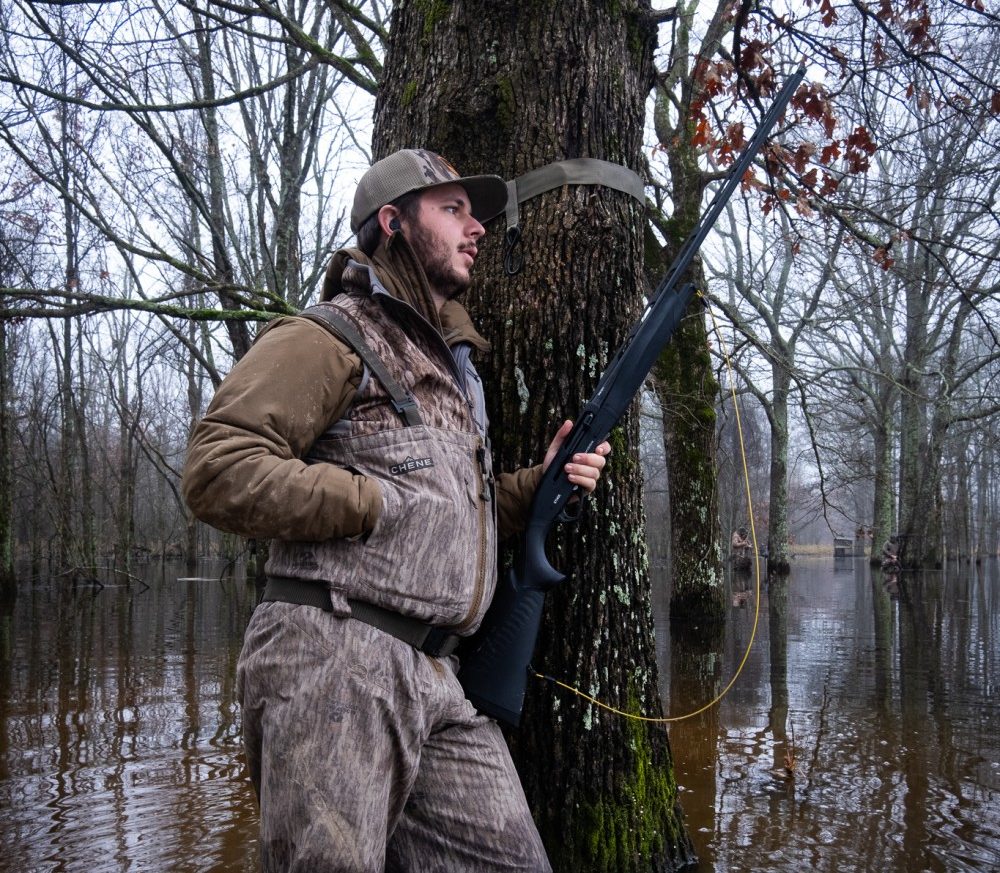

As wild turkey numbers continue to decline in southern states, one man, Dr. Michael Chamberlain, aka The Wild Turkey Doc, is doing everything he can to prevent that. Chamberlain is a professor at the University of Georgia Warnell School of Forestry and Natural Resources, founder of the Wild Turkey Lab, and, most recently, launched the wildturkeyDNA project. With turkeys in every state in the lower 48, more and more color-phase birds are being harvested every season. These range from all-white birds to unique color phases like red or smoke-colored birds. Chamberlain, inspired by the work of duckDNA, wanted to understand these color-phased birds. Were they a result of hybridization, heritage bird crosses, or genetic anomalies? In 2025, he set out to answer these questions with the wildturkeyDNA project, and potentially find missing clues that could aid in wild turkey recovery.

How wildturkeyDNA Works
The wildturkeyDNA project is supported by NWTF, Ducks Unlimited, the Wild Turkey Lab, University of Texas at El Paso (UTEP), Low Country Game Bird Foundation, and turkey hunters across the country. The process starts with hunters harvesting a bird. Once harvested, wildturkeyDNA will send you a sample kit. The kit includes a sample vial, two alcohol wipes, and prepaid return postage. Hunter’s simply need to snip a quarter inch of the bird’s tongue, and place it in the vial. Once the sample is collected, freeze it prior to sending it off for analysis. The included shipping label will get it to UTEP the next day for genetic analysis. After the analysis is complete, you’ll receive a certificate in the mail telling you the exact genetic makeup of the bird harvested.
Year One
In 2025, the wildturkeyDNA project kicked off on a mission to answer its preliminary round of turkey genetic questions. The focus of the first year was to gain a better understanding of the unique color phases of birds. As a result, wildturkeyDNA was only focused on birds with odd plumage. Hunters who harvested color-phase birds needed to reach out to wildturkeyDNA and submit images of the birds in question. If Dr. Chamberlain and his team deemed the bird odd enough, a kit would be sent in the mail for a sample to be submitted. The preliminary birds were used to gain a better understanding of these anomalies and their origins. To the surprise of many, a lot of these color phases were the result of pure wild genetics.
Year Two
This spring marks the second year of wildturkeyDNA, and with it, the project is expanding. Hunters now have the option to register to participate in the study regardless of whether they shoot an oddball bird. Year two focuses on expanding the genetic library of turkeys across their geographic range. Dr. Chamberlain and his team are seeking to establish genetic baselines across the different subspecies and help answer broader genetics-related questions. Some of these questions include genetic diversity, inbreeding potential, gene flow, hybridization, and more.
Hunters can register for the program here. The application consists of a short questionnaire focused on where you hunt, how frequently you get out in the woods, and your success rate odds. Once all the information is compiled, hunters across the country will be selected to receive a DNA kit. If you receive a kit, regardless of what your bird looks like, send it in for analysis. For those who were not selected, if you shoot an oddball bird this spring, wildturkeyDNA is still interested in learning more about your bird. Request a kit at wildturkeydna.com, and the lab will let you know if the bird meets their requirements for selection.
wildturkeyDNA Updates
For Turkey Week, we sat down with Dr. Michael Chamberlain to learn more about the project and its ongoing findings. If you want to learn more about the status of wild turkey genetics and how this may impact the future of turkey populations, check out the full podcast.